
Turning land into a campsite: the Hipcamp story and lessons for landowners
How does an empty farm, a vineyard or an olive grove become a campsite that pays? The model Hipcamp built in the US over a decade, and what landowners elsewhere can take from it.
Teknovan Editorial Team ·
In 2013 a young entrepreneur in San Francisco called Alyssa Ravasio spent hours trying to find a decent place to camp for the weekend. The state park websites were scattered, availability was out of date and there were no photos. That small frustration was the starting point for Hipcamp, today one of the best-known campsite booking platforms in the world.
What makes Hipcamp interesting isn't just that it's a booking site. The real idea was to make it easy for private landowners (farmers, vineyard owners, people with woodland) to open part of their land to campers. In this post we tell the Hipcamp story and pull out the lessons for anyone thinking of opening a campsite, with a few notes on how this plays out in Türkiye, where we work.
From a search problem to a marketplace
In its early years Hipcamp was a search engine that pulled state park campsites together in one place. It soon became clear the real opportunity lay elsewhere: most land in the US was privately owned, and many of those owners were keen to earn extra income by making room for campers. They just had no tool to do it.
The platform let landowners create a listing with a few photos and a short description, manage their calendar and get paid safely. In 2014 it raised its first 2 million dollars. Over the following years it completed several funding rounds, including a 25 million dollar round led by Andreessen Horowitz. In 2024 it bought BookOutdoors, which focuses on RV parks and holiday parks, and expanded into the campervan side of the market.
Why the model worked
- The supply already existed. Farms, vineyards and woodland were already there. The platform didn't build new facilities, it made existing ones visible.
- The risk for hosts was low. You could start with a few tent pitches or campervan plots that needed no big investment.
- Campers felt safe. Photos, reviews, clear rules and secure payment made it easier to go and stay on a stranger's land.
- The experience was the product. Waking up in a vineyard, milking a goat, a farm breakfast. Hipcamp listings sold an experience, not a patch of ground.
Six lessons for landowners
Olive groves, vineyards, orchards and land on the edge of a forest exist in most countries, and Türkiye's coast and countryside are full of them. Hipcamp's experience tells their owners this:
- Start small. Three or four tent pitches, a clean toilet and shower, drinking water and some shade are often enough to begin. Adding a few campervan plots with electricity and water hook-ups noticeably increases income.
- Sort out the permits first. The rules for running a campsite vary a lot from place to place. In Türkiye that means zoning status, the municipality and the provincial culture and tourism directorate, and other countries have their own equivalents. Talk to a specialist before you invest.
- Tell your story. Campers are as curious about the owner as about the land. Joining the olive harvest, the grape harvest or a village breakfast sets you apart from everyone else.
- Photos and accurate information are everything. Up-to-date photos, a clear price and details such as what size of vehicle fits can double your bookings and cut down on phone calls.
- Manage your calendar in one place. Tracking requests separately from WhatsApp, Instagram and the phone raises the risk of double bookings.
- Collect reviews. Asking your first guests for a review is the quickest way to make your listing more visible.
From our side
We designed teknovan.io for exactly these small and mid-sized businesses. You can map your land in 3D and divide it into plots, manage your calendar and bookings from one dashboard, and find guests through teknovan.com.tr. If you're thinking of opening a campsite, you can start for free at teknovan.io or arrange a site visit with us.
Sources
Image credits
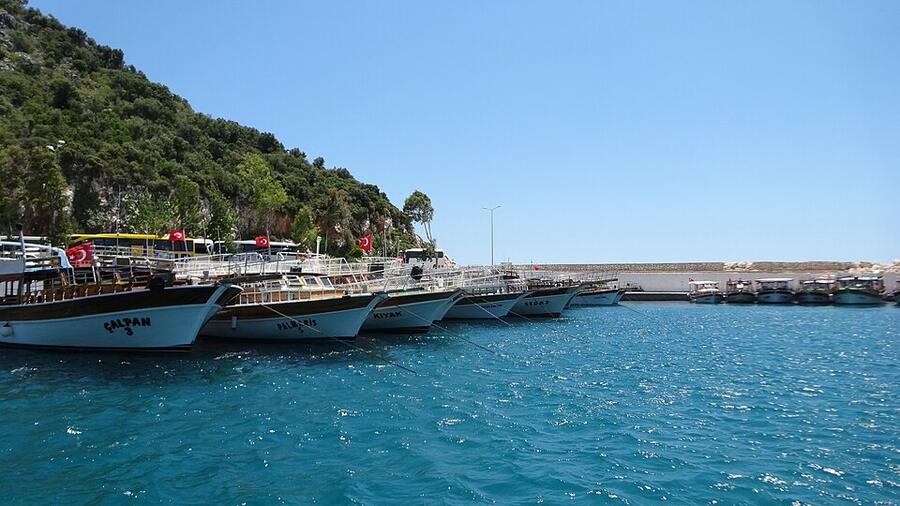
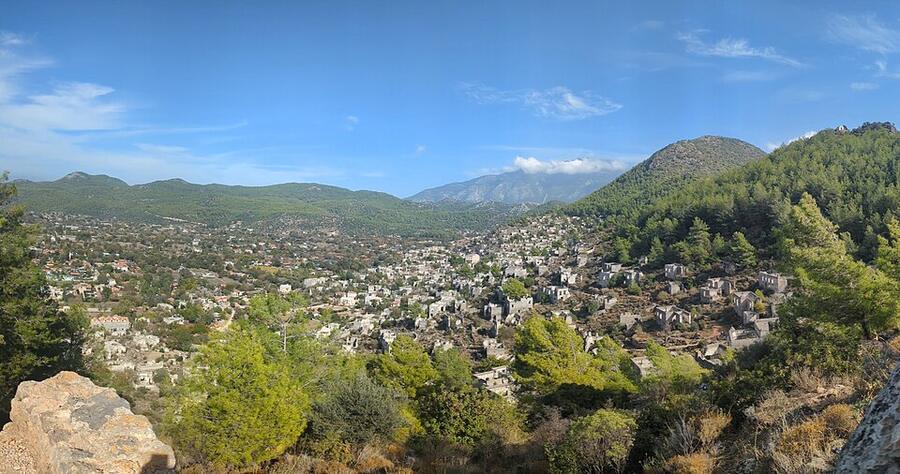
Photos illustrate the region; they are not photos of the campsites themselves.
- Kayaköy: Hocu, CC0, Wikimedia Commons