5 decisions that grew Campanyon, and what they mean for small campsites
Campanyon, founded in Oslo by two friends who left Google, brought garden, farm and nature stays together on one platform. We look at the five decisions behind its growth and which of them work in Türkiye.
Teknovan Editorial Team ·
In Norway everyone has the right to roam in nature and, within certain rules, to pitch a tent. This right, called allemannsretten, is written into the Outdoor Recreation Act of 1957. In a country like that, telling people to "rent a pitch on private land" might sound odd at first. Campanyon did exactly that, and within a few years it became one of Scandinavia's main platforms for nature stays.
The logic is actually simple. Even where everyone has the right to head into nature, people still think about the toilet, the water and their morning coffee. The host's permission, a tidy site and rules known in advance offer a comfort that wild camping can't.
Below are the five decisions that shaped Campanyon's growth, and what each one means for a small campsite in Türkiye.
The short story
Campanyon's founders are Alexander Raknes and Kristian Qwist. Both worked at Google and left their jobs at the height of the pandemic. According to a message written by one of the co-founders, the idea came up in April 2020, and the platform went live in 2021. The company is based in Oslo.
In January 2022 Campanyon raised 15.5 million Norwegian kroner (about 1.5 million euros at the time). The investors included Schibsted Ventures and Google's former country director for Norway. Raknes said the money would go on marketing, sales and product development.
In 2024 came a merger with Owayy, a Danish glamping platform. Owayy's founders stayed on in management roles within Campanyon. According to an entrepreneurship article from the Norwegian bank DNB, the platform now lists places to stay in more than 20 countries, including in Europe and Australia.
Decision 1: zero entry cost for landowners
Becoming a host on Campanyon is free. There's no charge to sign up, create a listing or use the calendar. The platform only takes a commission on bookings that actually happen, and pays out weekly.
What that means: a farmer or a family with a big garden can give it a go with nothing to lose. If nobody comes for a season, no harm done. It's the shortest route to growing supply fast.
For you: Lower the barriers on the guest side at your own site too. Keep the deposit reasonable and write the cancellation rule clearly. For someone coming for the first time, uncertainty puts them off more than price does.
Decision 2: opening the door to everything outdoors, not one type
On Campanyon, tent pitches, glamping, hammock spots, huts, caravan parks and farm stays sit side by side. The common thread isn't the type of accommodation but being in nature. That's a different road from platforms that focus on a single type, such as Glamping Hub.
The advantage is offering options for different budgets in the same search. A family with a campervan, a couple in a hut and a group of friends with tents can all find a place in the same area.
For you: If your site has only one type of accommodation, think about adding a small second one. Two ready-pitched tents on a site with caravan pitches, or a few tent pitches on a site with bungalows. That evens out some of the swing between weekdays and weekends, and between families and groups of young people.
Decision 3: marketing the problem itself
One of Campanyon's most eye-catching campaigns was built around a toilet. On a slope overlooking the Geirangerfjord, a UNESCO World Heritage Site in Norway, the company installed a compost toilet at a campsite run by a local family, and used footage of co-founder Raknes using it in the campaign. The message was clear: when there's no toilet in nature, litter and pollution go up, and organised camping on private land reduces the problem.
A campaign that was a bit funny and a bit serious. But it worked, because it explained the unseen side of wild camping (toilets, rubbish, fires) with an image everyone understands.
For you: The real question in a guest's mind is often "is there a clean toilet and shower?" Answer it with photos and clear information at the very top of your listing. That's exactly what sets you apart from wild camping.
Decision 4: merging with a rival instead of outgrowing it
The Owayy merger gave Campanyon a ready-made glamping network in Denmark. According to the Danish press, Owayy had around 400-500 tents, huts and similar places to stay across Scandinavia, about 300 of them in Denmark. The Danish start-up site Bootstrapping read the merger as two platforms joining forces at a time when the investment market was tightening.
For you: The other small campsites in your area don't have to be your rivals. A shared regional page, sending guests to each other, recommending the site next door on a weekend when you're full. This kind of cooperation between small businesses also strengthens your hand against the big platforms.
Decision 5: putting the host's story first
Campanyon's blog is called "Bonfire", and it's mostly stories about hosts, places and time spent outdoors. The platform has even made a separate page to win over cabin owners who are hesitant about sharing their cabin with strangers.
A listing sells a place. A story sells a person. A guest who knows whose land they're going to finds it easier to get past the nerves of heading somewhere unknown.
For you: Don't rush through your "About us" section in one paragraph. Where the land came from, how old the olive grove is, why you opened a campsite. These matter as much as the photos. We made a similar point in our Hipcamp post.
What a campsite in Türkiye can take from this
Türkiye has plenty of olive groves, vineyards, orchards and land at the edge of forests. What the Campanyon model tells the owners of that land is simple: you don't need a big facility to start, but you do need order to win a guest's trust. A clean toilet and shower, drinking water, clear rules and honest photos are often enough for the first season.
If you apply Campanyon's start-at-zero-cost logic to your own land, a simple trial plan for the first season might look like this:
- Open just two or three tent pitches and one caravan pitch.
- Sort out the toilet, shower and drinking water from the very start, and leave the rest for later.
- Put prices, rules and directions together on a single page.
- At the end of the season, look at how many nights you filled, what guests asked most often and what they complained about.
After these four steps it becomes clear whether you want to grow or stay as you are.
One word of warning: offering paid camping on private land in Türkiye raises questions of zoning, municipal rules and tourism legislation, and these vary from region to region. Before you start, we recommend checking with your local belediye (municipality) and the İl Kültür ve Turizm Müdürlüğü (provincial culture and tourism directorate). For ideas on setting up the digital side, see our post on how small campsites win online.
teknovan.io is a tool we're developing so that small businesses opening part of their land to campers can easily manage their pitches, calendar and bookings.
Sources
- Campanyon seals €1.5m funding in a bid to make nature accessible to all, Modern Campground
- Campanyon buys Owayy to spur eco-tourism growth, Short Term Rentalz
- Airbnb for friluftsfolk, DNB Nyheter
- Here's why we built the world's most epic outdoor toilet, Campanyon Bonfire
- Become a host, Campanyon
- Markedskorrektion baner vej for fusioner: Owayy og Campanyon, Bootstrapping
- What does allemannsretten mean?, The Local Norway
Image credits
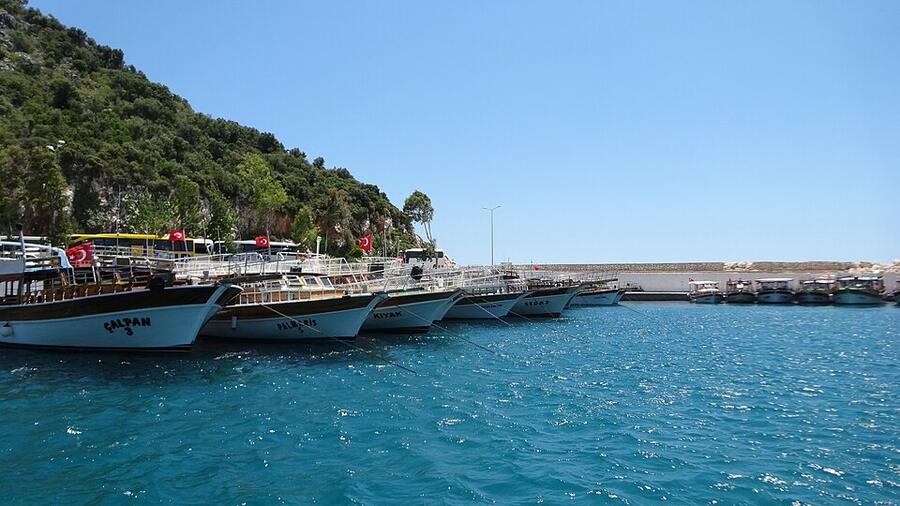
Photos illustrate the region; they are not photos of the campsites themselves.
- Karaburun: Bir_Ege_Hikayesi, CC BY 3.0, Wikimedia Commons.jpg)