
Seven benefits of online booking for campsites
What do campsites gain when they move from phone, WhatsApp and a paper diary to online booking? Seven concrete benefits, with examples from around the world, and a roadmap for making the switch.
Teknovan Editorial Team ·

At many campsites, in Türkiye and well beyond, bookings still work the same way: the phone rings, the owner checks the diary, says "yes, we've got space", the guest sends their ID and a bank transfer receipt for the deposit over WhatsApp, and the dates go in the book. It works on a small scale. But once the season starts the phone never stops, messages pile up, and one mistake in the diary means the same pitch goes to two guests.
In Europe and North America many campsites have moved to online booking over the last fifteen years. The growth of platforms such as Pitchup, Hipcamp and Campspace is a result of that shift. In this post we look at seven concrete benefits online booking brings to campsite businesses.
1. No more hours glued to the phone
In summer, a big part of a campsite owner's day goes on answering the same questions: "Have you got space?", "How much is it?", "Will my campervan fit?", "Do you take dogs?". A booking page with an up-to-date calendar and clear information answers most of them without you lifting a finger.
2. You don't miss the guest who books at 2 am
Campers mostly plan their holidays in the evening and at night, after work. A business that runs on the phone is closed at those hours. The guest won't wait until the next morning, they'll look elsewhere. Online booking is open 24/7.
3. Double bookings disappear
When requests from the diary, WhatsApp and Instagram are tracked separately, sooner or later the same pitch gets given to two guests. A booking system that runs off a single calendar closes a pitch on every channel the moment it fills.
4. Deposits and payments are secured
Taking the deposit at the moment of booking makes no-shows less likely and eases the business's cash flow. And when the cancellation rules are written down clearly from the start, there are fewer arguments.
5. Occupancy stretches beyond the high season
In an online system, setting up a midweek discount, a long-stay rate or an off-season offer takes minutes. For a business working from a paper diary, that kind of flexibility is close to impossible.
6. Reviews work for you
Asking guests for a review after their stay becomes automatic. Visible reviews make it easier for new guests to decide. Research in the accommodation sector shows that online reputation directly affects pricing power. According to a 2012 Cornell University study, a hotel that raised its review score by one point on a five-point scale could raise its prices by about 11 per cent without losing occupancy. We go into this in detail in our post on guest experience.
7. You make decisions with data
Which pitch is most popular? Which cities do your guests come from? How many nights do they stay on average? Online booking produces the data to answer these questions on its own. Pricing, investment and marketing decisions are then based on data, not guesswork.
A roadmap for switching
| Step | What to do | Time |
|---|---|---|
| 1 | List your pitches, units and prices | 1 day |
| 2 | Prepare photos and site information | 1-2 days |
| 3 | Open the calendar and enter existing bookings | 1 day |
| 4 | Write your deposit and cancellation rules | Half a day |
| 5 | Add the booking link to Instagram, your Google Business Profile and WhatsApp | Half a day |
Quick answers to common worries
"My guests like talking on the phone." The phone doesn't go away, you just spend less time answering the same questions. Guests who want to talk can still call.
"I don't want to pay commission." Guests who book through your own booking page don't cost you commission. The big platforms can still be used for extra visibility.
"I'm not good with technology." A modern system should be as easy as a messaging app. If it isn't, you've picked the wrong system.
teknovan.io
teknovan.io is a booking and management dashboard designed for campsites and caravan parks. Guests choose their pitch on a 3D map, pay the deposit, and the request lands in your dashboard. Messages from WhatsApp, Instagram, Booking.com and Airbnb arrive in the same inbox. We take no commission from your business. Start for free or see the prices.
Sources
- The Impact of Social Media on Lodging Performance, Chris K. Anderson, Cornell Center for Hospitality Research (2012)
- Pitchup.com, Built In London
- Hipcamp, Wikipedia
Image credits
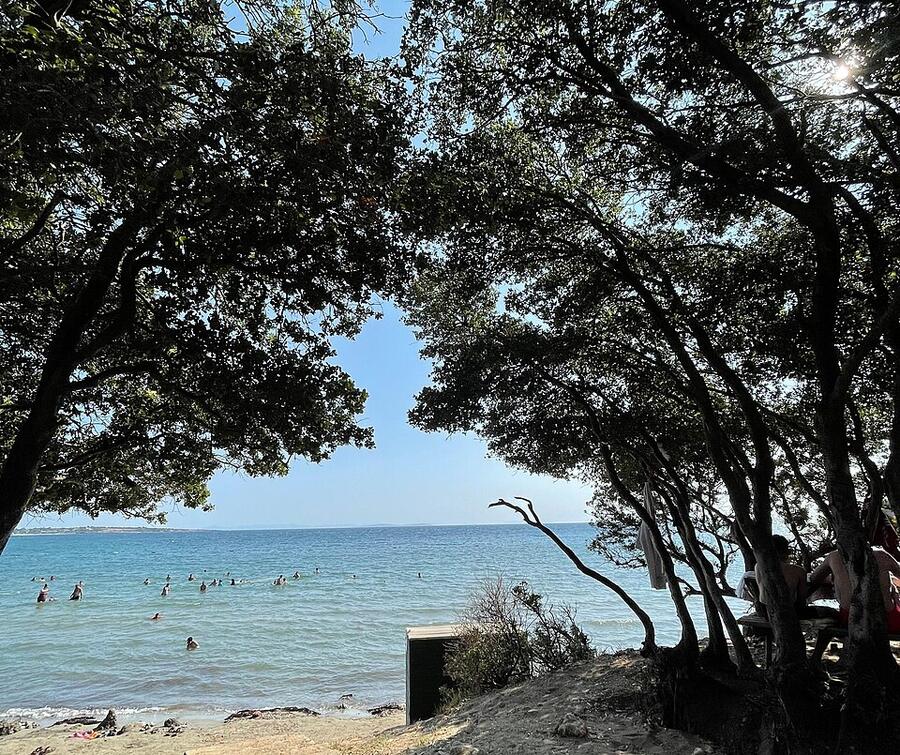
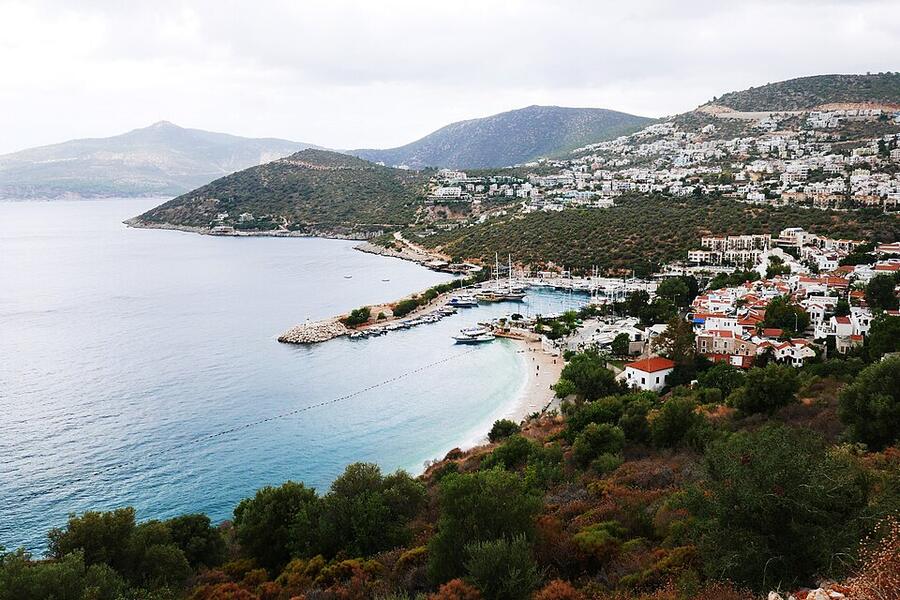
Photos illustrate the region; they are not photos of the campsites themselves.
- Dilek Yarımadası Milli Parkı: Fatma İrem TINAZLI, CC BY-SA 4.0, Wikimedia Commons