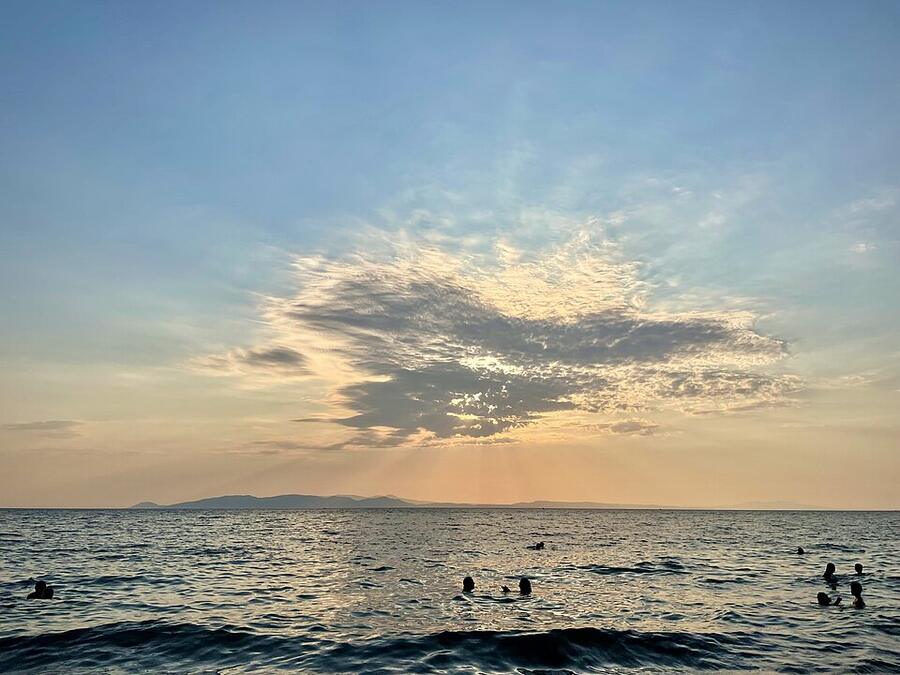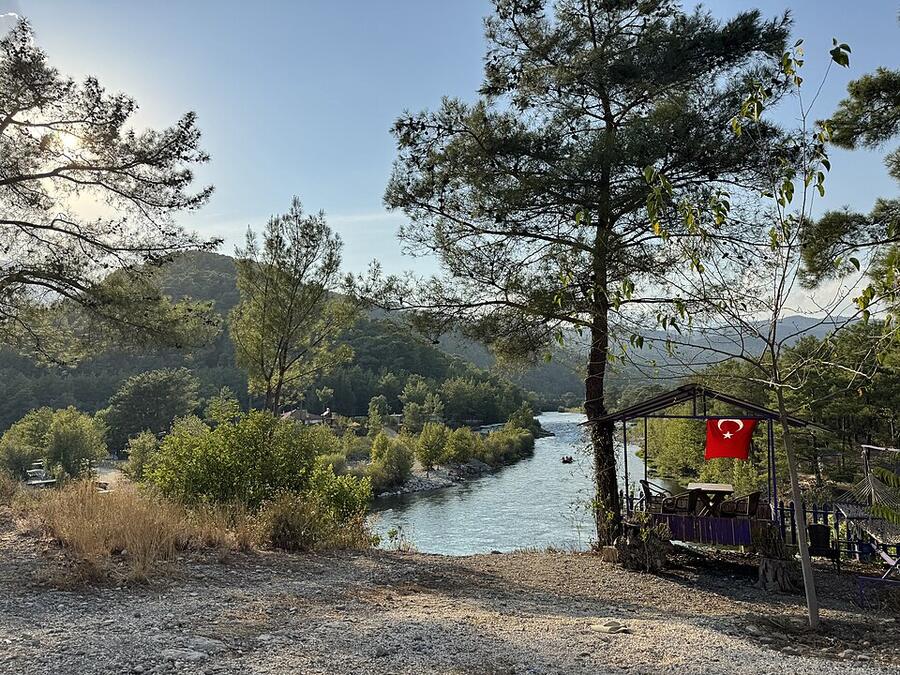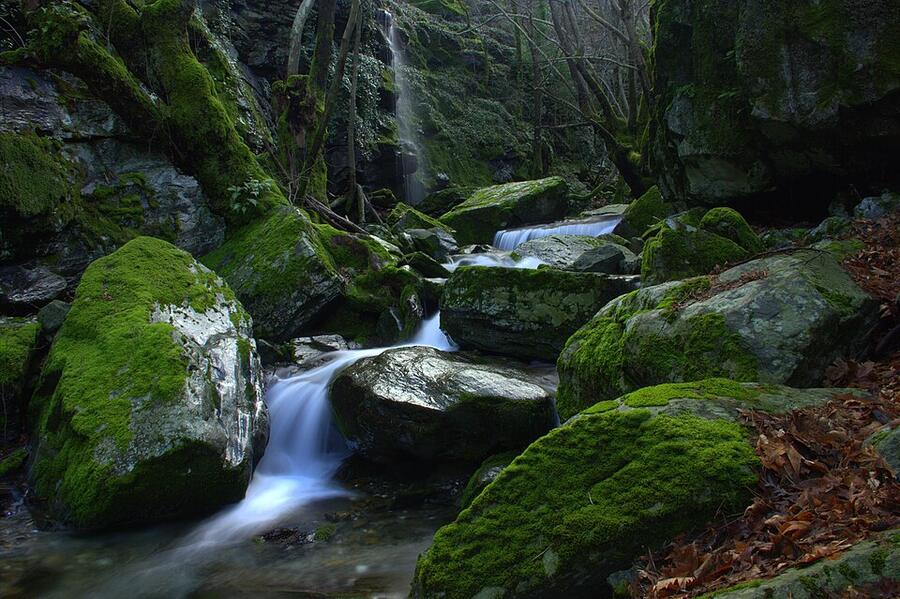

Where to stay and what to see in Ayvalık and Cunda by campervan
Read this before you drive a campervan into Ayvalık's narrow streets. Cunda, Şeytan Sofrası, Sarımsaklı, the olive oil and soap heritage, the campsite and the nearest airports.
Teknovan Editorial Team ·
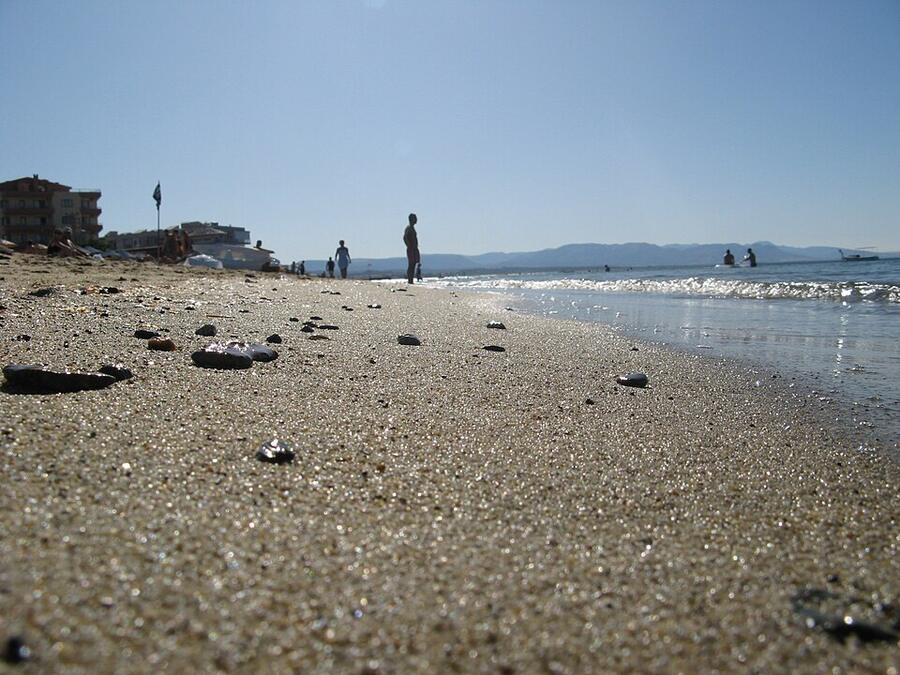
Ayvalık shows two faces to anyone arriving by campervan. The coastline is wide, the beaches are long and the campsites sit among the pines. The old town, on the other hand, is all stone houses, steep lanes and streets where two cars can barely pass. You can enjoy both on the same day, as long as you leave the campervan in the right place.
Ayvalık is on Türkiye's North Aegean coast, facing the Greek island of Lesbos, roughly halfway between İzmir and Çanakkale.
How do you get to Ayvalık?
| Starting point | Approximate road distance | Note |
|---|---|---|
| Balıkesir Koca Seyit Airport (Edremit) | 40-45 km | The closest airport to Ayvalık |
| İzmir Adnan Menderes Airport | around 180 km | More flight options |
Koca Seyit is a small airport and the number of flights varies with the season. If you land in İzmir and pick up a campervan at the airport, you drive north towards Çanakkale. If you want to break the journey, our North Aegean camping guide covers the options in Dikili and Burhaniye.
Don't drive a campervan into old Ayvalık
We're putting this first because it's the most common mistake. The streets in the historic part of Ayvalık are narrow and steep, with tight corners. Take a large motorhome or a towed caravan in there and getting back out becomes a serious manoeuvring job.
Practical tips:
- Leave the campervan at the campsite and go into town in a small car, by bike or by taxi.
- Car parks fill up on public holidays and summer weekends. Cars get parked along the side streets, which makes them even narrower.
- Parking is scarce on the Sarımsaklı side in summer too. Go early in the morning.
- Cunda is reached by a bridge, and the roads on the island are narrow as well. Go over to Cunda in a small car rather than the campervan.
The old town and its olive oil heritage
From the early 1800s Ayvalık's economy was built on olive oil and soap. Soap factories were built next to the old olive oil factories, almost like twin buildings. Some of these factories are abandoned today, while others are still standing with new uses.
A good place to see this heritage is the Ayvalık Rahmi M. Koç Museum. It opened in January 2024 in a restored olive oil factory around 200 years old. A combined ticket is sold with the Taksiyarhis museum in Cunda. Check the museum's own website for opening days and hours.
Ayvalık olive oil is a registered geographical indication with protected designation of origin, held by the Ayvalık Chamber of Commerce. Looking for the geographical indication logo on the label is the easiest way to avoid fakes.
If you're here on a Thursday, don't miss the market. A big market sets up in the centre every Thursday, and a village market opens in the square next to the main market area.
Cunda (Alibey Adası)
Cunda is linked to Ayvalık by a road bridge. The island's best-known building is Taksiyarhis, a church built in 1873. Its restoration was completed in 2014 and it opened to visitors as a Rahmi M. Koç Museum.
The centre of Cunda is packed with meyhanes (taverns) and fish restaurants. On a camper's budget, an afternoon coffee, a walk and the sunset make a smarter plan than dinner out. Part of the island lies within the Ayvalık Adaları Tabiat Parkı (Ayvalık Islands Nature Park).
Şeytan Sofrası
A volcanic hill about 8 km from central Ayvalık, within the boundaries of Küçükköy. It's famous above all for the sunset, when the islands and the bay fit into the same frame. The car park fills up quickly at sunset, so leave at least half an hour early. It's a windy spot, so take a light jacket.
Ayvalık Islands Nature Park
The nature park, which covers most of the islands belonging to Ayvalık, was given protected status on 21 April 1995. Şeytan Sofrası is also inside the park. Sources give different figures for how many islands it covers and how big it is. For exact information, see the current pages of Doğa Koruma ve Milli Parklar (the General Directorate of Nature Conservation and National Parks).
The islands are reached by boat tour. The rules on camping and fires inside the nature park are strict. Don't pitch a tent outside a permitted area.
Sarımsaklı
With a beach about 7 km long, Sarımsaklı is Ayvalık's best-known stretch of sand. The water is shallow and sandy, which makes it easy for families with children. It gets crowded in summer and the seafront is built up. If you want a quieter sea, go early in the day or in September.
Where to stay
Ayvalık Çamlık Kamping is in a pine wood on İnönü Caddesi in the Sefa Çamlık neighbourhood. It's one of the most reviewed campsites in the area: as of 1 November 2026 it had a rating of 4.0 on Google from around 2,000 reviews. That many reviews is also a sign of how busy it gets in summer. Don't turn up in July or August without a booking.
If you're carrying on north towards the Kaz Mountains, have a look at the sites in our Kaz Mountains and Assos camping guide. For other options, see the teknovan.com.tr campsite list.
Practical notes for campervan drivers
- Shopping: do the big supermarket run on the main road before you enter central Ayvalık. Parking in the centre and wheeling a trolley around is hard work.
- Water and waste: ask the campsite when you book whether you can fill up with fresh water and empty grey water. Not every site offers the same services.
- Wind: afternoon winds are common in the North Aegean. Don't leave the awning out overnight.
- Bike: cycling from the campsite towards Sarımsaklı and the centre takes less time than hunting for a parking space. Take care on the main road in summer traffic.
- Boat tours: boat tours to the islands usually leave in the morning. Take a hat, water and sun cream. Ask beforehand whether lunch is included in the price.
- Winter camping: after October some campsites close or cut back their services. Phone to check before you go.
When to go
- May-June: the sea starts to warm up and it's easy to find a pitch.
- July-August: busy and hot. This is when parking and pitch shortages are at their worst.
- September-October: the sea is mild and the crowds thin out. The olive harvest begins in autumn.
- Winter: the town is quiet, but check in advance whether the campsites are open.
What to eat in Ayvalık
Ayvalık tostu (the town's loaded toasted sandwich), olive oil dishes and Cunda's fish top the list. For budget-friendly suggestions and recipes you can cook at camp, see Eating well on a camping budget in the Aegean.
Frequently asked questions
Is there anywhere to camp with a campervan in Ayvalık? Yes. Ayvalık Çamlık Kamping in Sefa Çamlık is the best-known option for campervans and tents. Book ahead in summer.
What is the nearest airport to Ayvalık? Balıkesir Koca Seyit Airport in Edremit, about 40-45 km away. İzmir Adnan Menderes is around 180 km.
Can you take a campervan over to Cunda? There's a bridge, so you can. But the centre of the island is narrow and busy. It's easier to leave the campervan at the campsite and go in a small car.
When should you go to Şeytan Sofrası? At least half an hour before sunset. The car park fills up quickly in the late afternoon.
Sources
- Küre Ansiklopedi: Şeytan Sofrası
- Doğa Derneği: Ayvalık Key Biodiversity Areas book
- GoTürkiye: Cunda Island
- Hürriyet Daily News: Ayvalık Rahmi Koç Museum celebrates opening
- European Heritage Days: the olive oil and soap industry in Ayvalık
- Küre Ansiklopedi: Ayvalık olive oil
- Pegasus: Balıkesir Koca Seyit Airport
- Lonely Planet: Ayvalık village market
Image credits
Photos illustrate the region; they are not photos of the campsites themselves.
- Sarımsaklı, Ayvalık: Filip Maljković from Pancevo, Serbia, CC BY-SA 2.0, Wikimedia Commons.jpg)
- Dikili: Tomhannen, CC BY-SA 4.0, Wikimedia Commons