
Can you go campervan camping on the Aegean and Mediterranean coast in winter?
How mild is the Aegean and Mediterranean coast of Türkiye in winter, which months are easiest and which campsites stay open? Condensation, safe heating, rain, wind, insulation and the perks of the off-season.
Teknovan Editorial Team ·
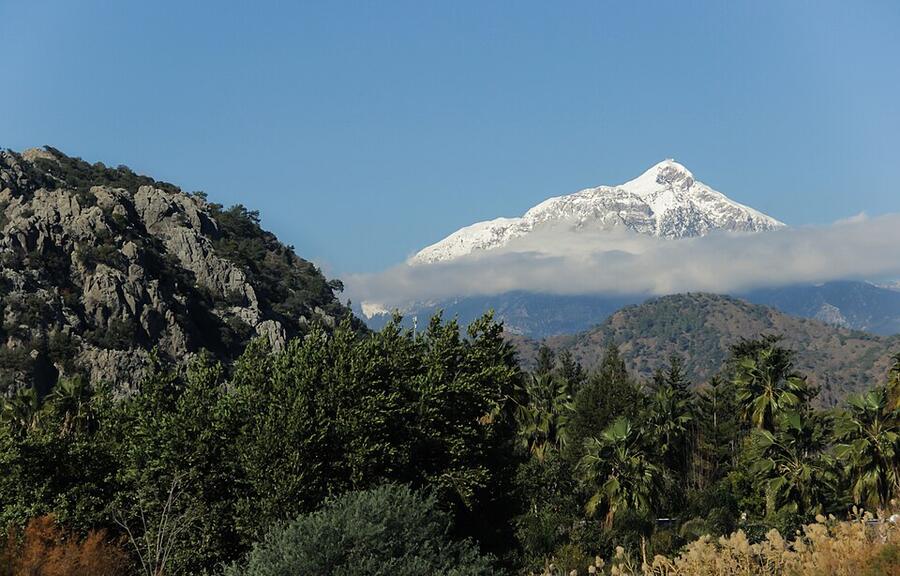
Short answer: yes, you can. In fact it's many campervan travellers' favourite time of year. There are days on the coast when you can sit outside in a T-shirt, the campsites are quiet and the beaches are empty. But winter camping isn't the same as summer camping. The nights are cool, rainy days can come one after another and a different enemy shows up inside the campervan: damp. In this post we cover what to expect in winter, how to prepare and what to watch out for.
How mild is winter on the coast?
According to the official climate statistics of Meteoroloji Genel Müdürlüğü (MGM, the Turkish State Meteorological Service), the long-term average temperature in Antalya in January is about 10 °C. The average high is around 15 °C and the average low around 6 °C. In İzmir the January average is about 9 °C, with an average low of around 6 °C.
On paper that looks comfortable. But keep two things in mind:
- The gap between day and night is big. 15 degrees in the midday sun and 5 degrees at midnight is normal on the coast. A little inland or higher up, the gap gets wider.
- Winter is the rainy season. According to MGM data, December and January are the wettest months of the year in Antalya, each with rain on around twelve days on average. In İzmir, too, around twelve days in January are wet on average.
Which months are easiest?
| Period | What to expect |
|---|---|
| November | The sea is still fairly mild, the days are lovely, the rains are starting |
| December-January | The coolest and wettest period, but plenty of sunny, calm days in between |
| February | Still cool, a mix of rainy and sunny days |
| March | The days warm up, one of the most enjoyable months for winter camping |
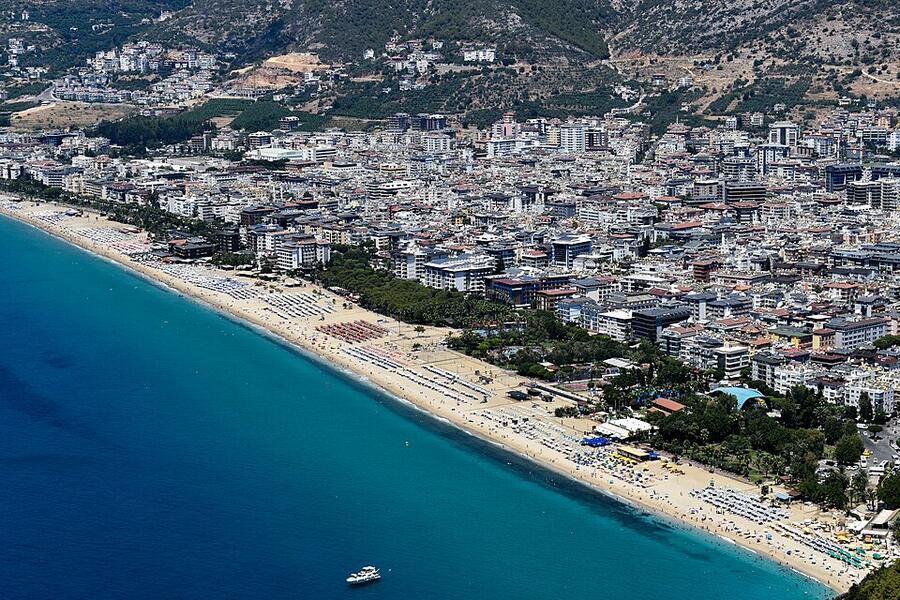
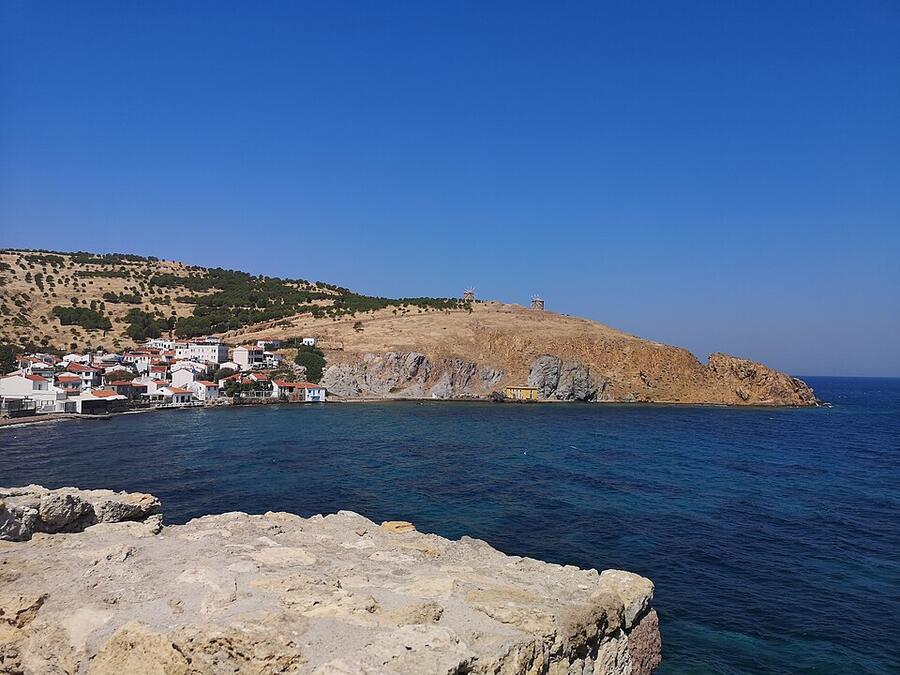
As a rule, the further south you go, the gentler the winter. The North Aegean and the Çanakkale area are noticeably cooler and windier than the coast around Antalya and Alanya. For your first winter trip, the Mediterranean coast is more forgiving.
Are campsites open in winter?
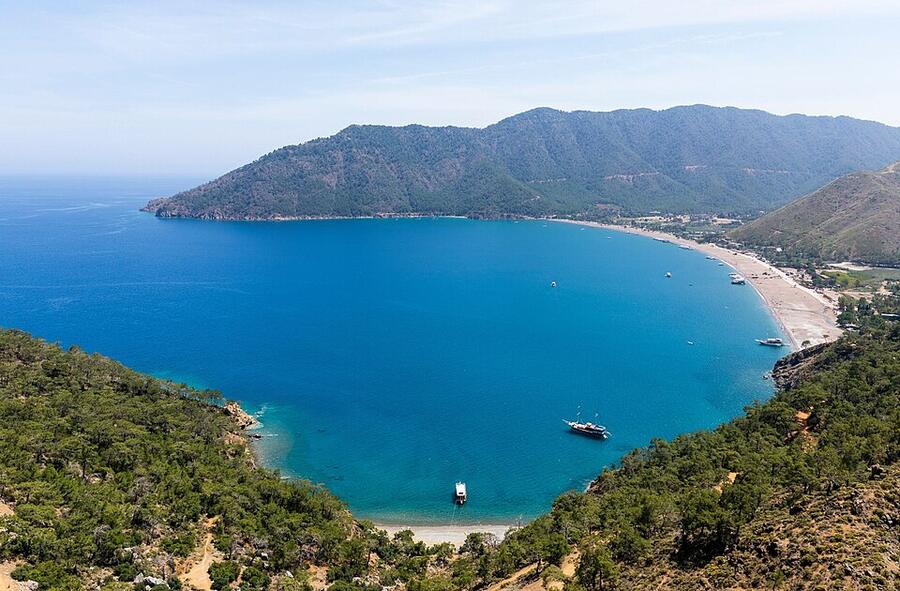
Some are, most aren't. We can't give a definite list region by region, because opening and closing dates change every year from one business to the next. As we noted in our earlier guides, there are sites that take campervans in winter around Antalya and Alanya and in Adrasan. For details, see our Antalya, Kemer and Alanya camping guide and our Olympos, Çıralı and Adrasan guide.
Always ring before you go and ask:
- Are you open in winter, and between which dates?
- Are the hot water and showers working? Some sites partly close their facilities in winter.
- Is there electric hook-up, and how many amps? This matters if you'll be using an electric heater.
- Does the ground turn to mud in the rain? A grass pitch is lovely in summer but can trap a campervan's wheels in winter.
You can find open campsites on the campsite list and contact them directly.
Condensation: rain inside the campervan
This will very probably be the first problem you meet in a campervan in winter. Two people breathe, cook, brew tea and hang wet jackets inside. All that moisture settles on cold windows, in the corners of the walls and under the mattress. In the morning water drips from the windows, and a few weeks later the smell of mould starts.
What helps:
- Keep the vents open. It's tempting to close them when it's cold, but the vents are there for both damp and safety. Closing them in a campervan with gas appliances is a risk to life.
- Air the van for ten minutes every morning. Open the door and two windows opposite each other and let the damp air out.
- Cook with the lid on and use the extractor fan or roof vent.
- Don't dry wet things inside. Put them under the awning, in the cab or in the campsite laundry.
- Let air circulate under the bed. Lay a thick towel or a breathable mesh under the mattress.
- A small dehumidifier or moisture traps are useful on long stays.
Staying safe while keeping warm
The most serious winter risk isn't the cold but how you heat the van. Carbon monoxide has no smell and no colour, and you won't notice it while you're asleep.
- Use the campervan's own flued heater, and don't block its flue or air intake.
- If you have mains hook-up, an electric heater is the most trouble-free option. Take care not to go over the campsite's amp limit, or the fuse trips and someone ends up phoning reception in the dark.
- Don't heat an enclosed space with a fuel-burning heater, a gas stove, a barbecue or a camping gas cartridge. The 2026 information note from Hacettepe University's Department of Public Health also says fuel-burning heaters and lamps should not be used in enclosed sleeping spaces such as tents and campervans.
- Fit a carbon monoxide detector. It's cheap, battery-powered and small. We cover this in more detail in our post on campervan water, electricity and waste.
- A hot water bottle and a good sleeping bag are cheaper and quieter than running the heater all night.
If headache, dizziness and nausea come together in the morning, get out, turn off the heater and call 112.
Rain and wind
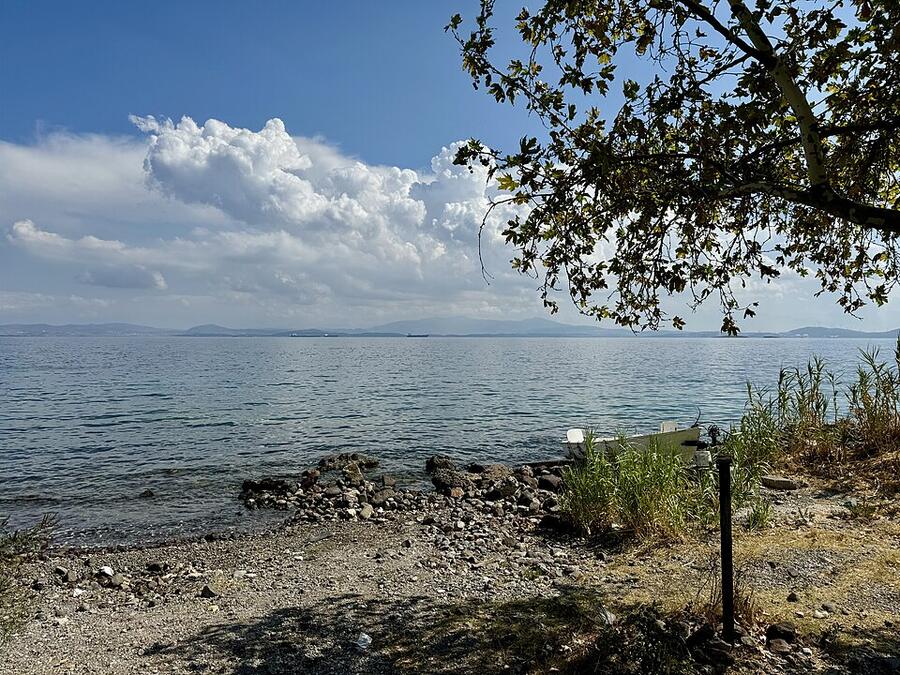
What changes most on the coast in winter is the wind. In the Aegean, when the lodos (a strong south-westerly) blows, the sea gets rough, the coast road gets wet and pitches right on the shore can catch the spray from the waves.
- Check the forecast every day. MGM's province and district forecasts are enough.
- Keep the awning rolled in, and only put it out for short, calm spells.
- Park the campervan nose into the wind. A side wind rocks the van and keeps you awake.
- Don't set up in a stream bed, the mouth of a dry stream or a hollow pitch. Winter downpours collect water quickly.
- Check what's above you. Dead branches break in storms.
Insulation and small preparations
Many campervans designed for summer also work in winter, but a few additions make a difference:
- A thermal screen for the windscreen and cab. The cab is one of the places a campervan loses most heat.
- A doormat and a shoe box at the door. Before the mud gets in.
- A thick rug or kilim. It cuts the cold coming up from the floor.
- A spare gas bottle. You use more gas for heating and cooking in winter, and finding bottles in the closed season can be harder.
- Keep an eye on the battery. The solar panel produces less on short days. Sites with mains hook-up make winter easier.
Read your vehicle manual on the risk of the plumbing freezing on cold nights. It's rare on the coast, but it matters if you're heading inland or up into the mountains.
The perks of the off-season
- Quiet. The campsite where you listened to the next pitch's music in midsummer can be all yours in January.
- More flexible stays. There's no booking pressure, and many businesses are open to talking about long stays. Ask about prices and conditions directly.
- Walking weather. Routes like the Lycian Way are hard going in the summer heat and far more comfortable in winter and spring. Have a look at our post on Butterfly Valley and Kabak with that in mind.
- Local life. The coastal towns aren't working for tourists, they're working for themselves. Market day, the coffee house, the olive harvest.
There's one downside too: some restaurants, beach kiosks and boat tours are closed. Ask beforehand how lively your destination is in winter.
Frequently asked questions
Can you go campervan camping in Antalya in winter? Yes. The January average is around 10 °C and the days are often mild. Ring ahead to confirm that the campsite is open.
How do you heat a campervan in winter? With the campervan's own flued heater, or an electric heater if you have mains hook-up. Don't use a gas stove or a barbecue in an enclosed space, and fit a CO detector.
Why do campervan windows get wet? The moisture inside condenses on cold surfaces. Regular airing, cooking with the lid on and drying wet things outside solve most of the problem.
Are campsites cheaper in winter? Many businesses are more flexible in the off-season, but pricing varies from one to the next. Ask directly.
If it's your first trip, have a look at our first campervan trip checklist first.
Sources
- MGM: official climate statistics for Antalya
- MGM: official climate statistics for İzmir
- MGM: province and district forecasts
- Hacettepe University Public Health: carbon monoxide information note (2026)
- Caravan and Motorhome Club: How to stay gas-safe when touring
- Teknovan: campsites
Image credits
Photos illustrate the region; they are not photos of the campsites themselves.
- Olimpos sahili: Güney Özdamar, CC BY-SA 4.0, Wikimedia Commons
- Kleopatra Plajı, Alanya: Julian Lupyan, CC0, Wikimedia Commons