
Gökçeada: camping, diving and village roads in Türkiye's new marine national park
Windy beaches, old Greek villages, an underwater park and the North Aegean Marine National Park declared in 2026. A calm guide to Gökçeada for nature lovers.
Teknovan Editorial Team ·
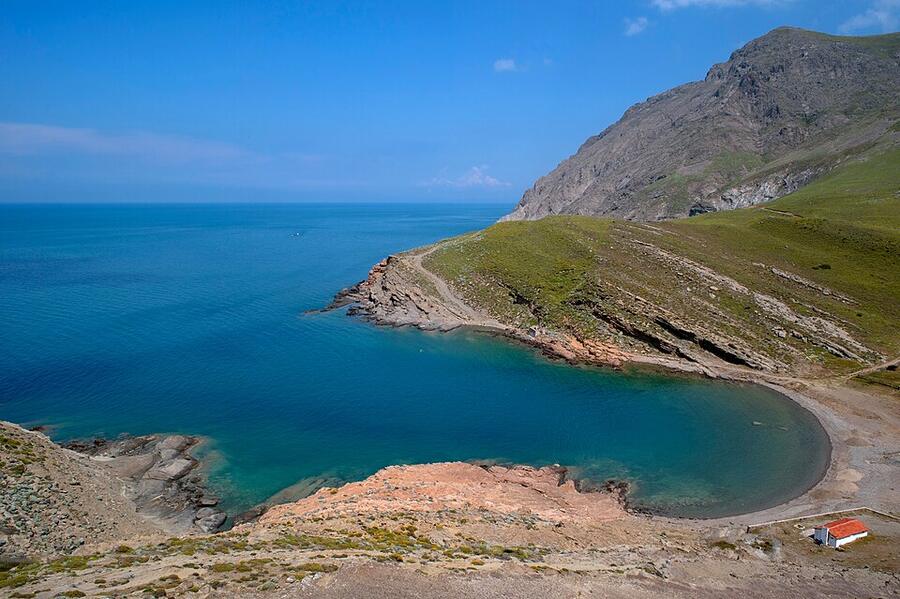
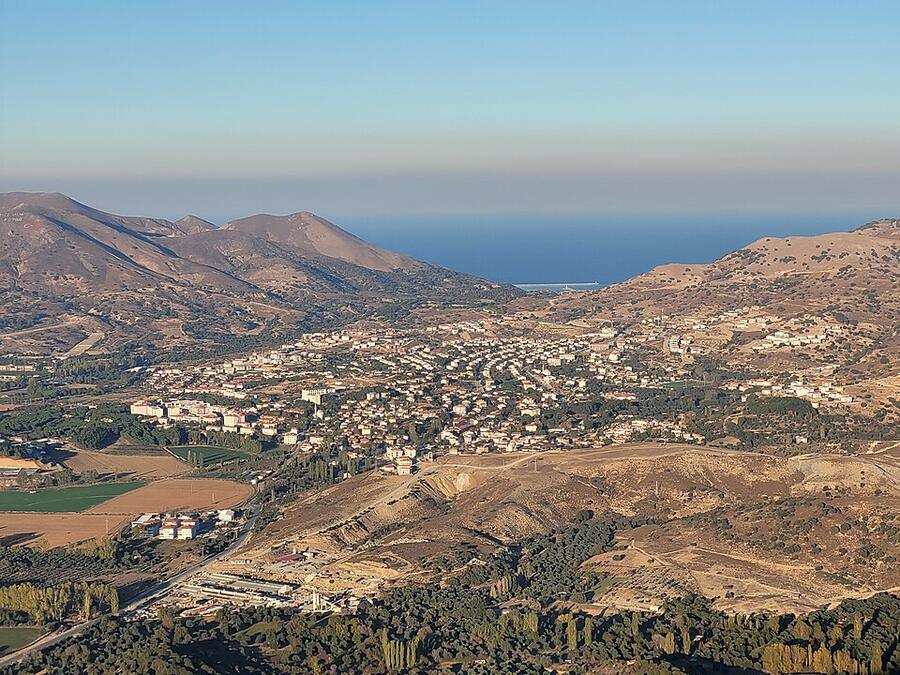
As the ferry pulls out of Kabatepe, the Gallipoli Peninsula falls away behind you and a mountain slowly appears ahead. Gökçeada (Imbros) is Türkiye's largest island, though you'd hardly know it driving around. Empty roads from one village to the next, goats, olive groves and sea in every direction.
The biggest step towards protecting the island's nature came in summer 2026. A marine area of about 1,742 square kilometres centred on Gökçeada was declared the North Aegean Marine National Park.
The marine national park and Yıldız Koyu
Yıldız Koyu, on the north coast, became one of Türkiye's first examples of marine protection when its underwater park was declared in 1999. Fishing is banned between the bay and Yelkenkaya. That's why the amount of fish under water strikes you on your very first dive. The new marine national park takes in this protected zone and stretches it over a much wider area.
If you want to dive, book with one of the island's dive centres. Even for snorkelling, the clear water of Yıldız Koyu is plenty.
Aydıncık and the wind
Aydıncık beach, in the south-east of the island, has a steady wind that makes it the meeting point for windsurfers and kitesurfers. You'll see people wallowing in the mud of the salt lake (Tuz Gölü) behind the beach. If you don't want the wind, come in the morning or move to the north coast.
The Greek villages
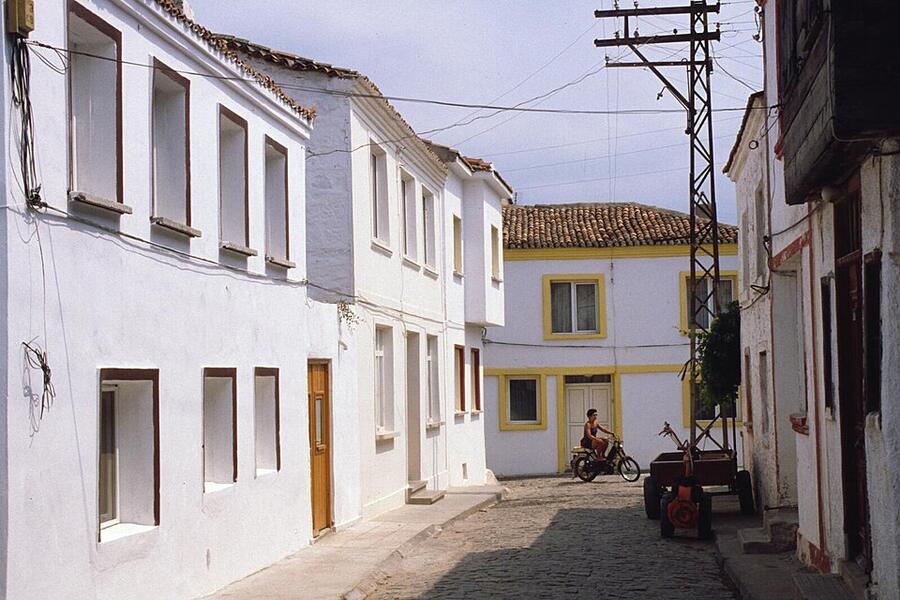
Zeytinli, Tepeköy, Dereköy and Kaleköy are the island's old Greek villages. Stone houses, narrow lanes, and dibek coffee (a stone-ground Turkish coffee) outside the kahvehane. Some have come back to life, others are still half abandoned. Watching the sunset from Tepeköy in the early evening is one of the island's small rituals.
Camping
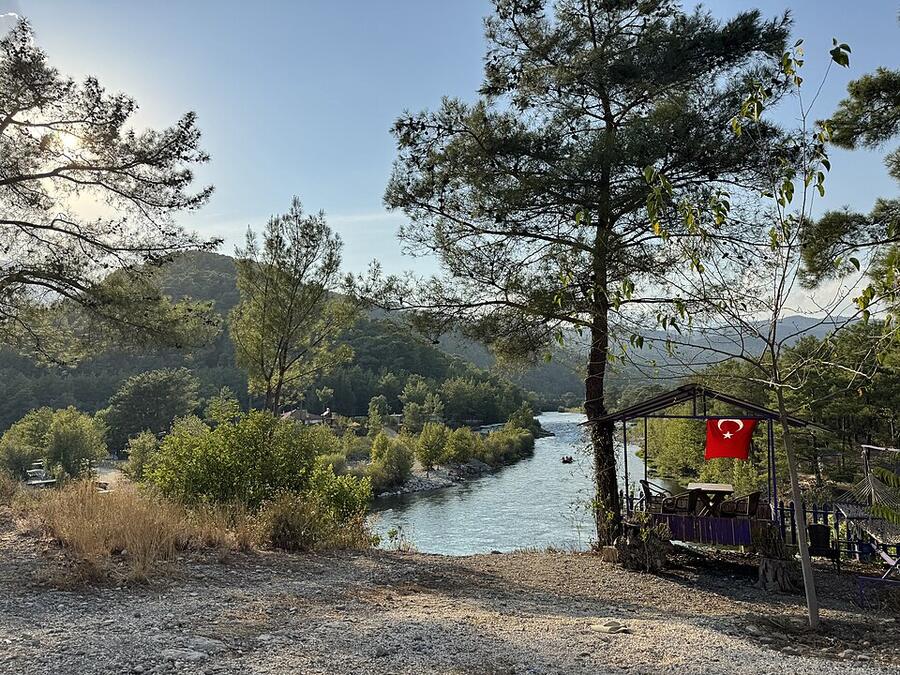
There are a few options for tents and campervans on the island. The pine-wood campsite near Uğurlu village is a quiet choice. Around Aydıncık, campsites open during the season too.
| Campsite | Location | Note |
|---|---|---|
| Uğurlu Köyü Çamlık Kamp Alanı | Gökçeada | Pine woods, quiet |
If you're thinking of wild camping on the island, watch out for bans during the fire season and for private land. Don't light fires.
Getting there
The ferry leaves from Kabatepe on the Gallipoli Peninsula (about an hour's drive from Çanakkale) and the crossing takes about an hour and a half. In summer the vehicle spaces fill up, so book ahead, especially for weekends and Turkish public holidays. Campervans are taken on board, but space for long vehicles is limited.
When to go
June and September are the best balance. In July and August the wind is strong and the island is busy. During the Panayır, the village festival around mid-August, the Greek villages come alive and accommodation gets hard to find.
Frequently asked questions
Do you need a certificate to dive on Gökçeada? Not for a try dive. The dive centres take you on your first dive with an instructor.
What does the North Aegean Marine National Park change for visitors? Rules on fishing, anchoring and coastal building will get stricter. The details will become clear with the management plan.
Can you fit Gökçeada and Bozcaada into the same trip? Yes, but there's no direct ferry between them, so you have to go back to the mainland and cross to Bozcaada from Geyikli.
For Bozcaada and the Çanakkale coast, see our Çanakkale, Bozcaada and Gökçeada camping guide.
Sources
- Fethiye-Kaş and North Aegean become Türkiye's first marine national parks, Ministry of Agriculture and Forestry (Turkish)
- A new era of protection around Gökçeada, Evrensel (Turkish)
- TÜDAV reacts to Yıldızkoy being opened to development, BirGün (Turkish)
Image credits
Photos illustrate the region; they are not photos of the campsites themselves.
- Gökçeada: User:Ggia, CC BY-SA 3.0, Wikimedia Commons
- Gökçeada: SahinBasaran, CC BY-SA 4.0, Wikimedia Commons.jpg)